The Saxonia
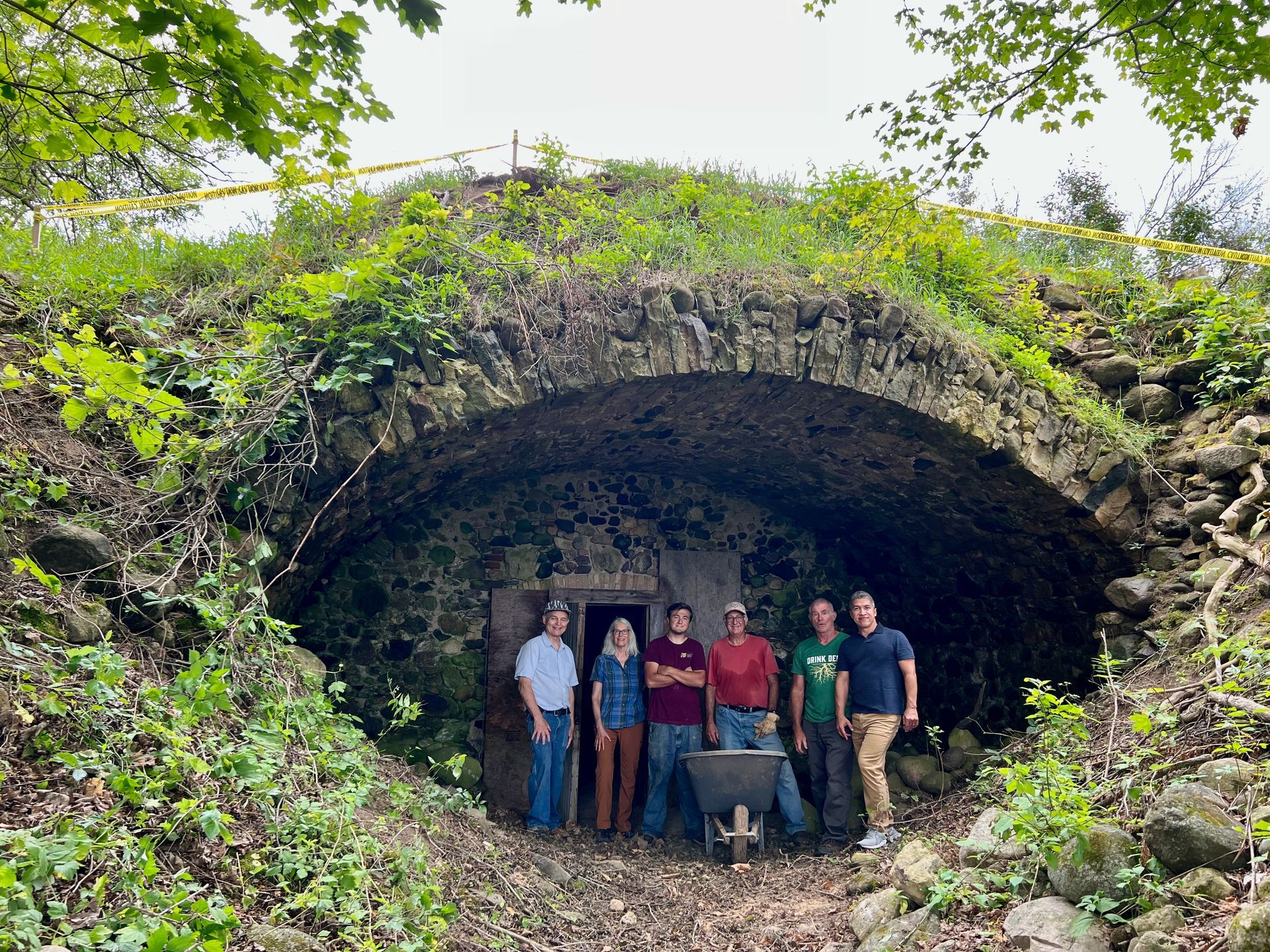
House & beer cave
Preliminary Restoration Plan for the Saxonia House Structure
March 5, 2021 From: Alan C. Pape
Introduction:
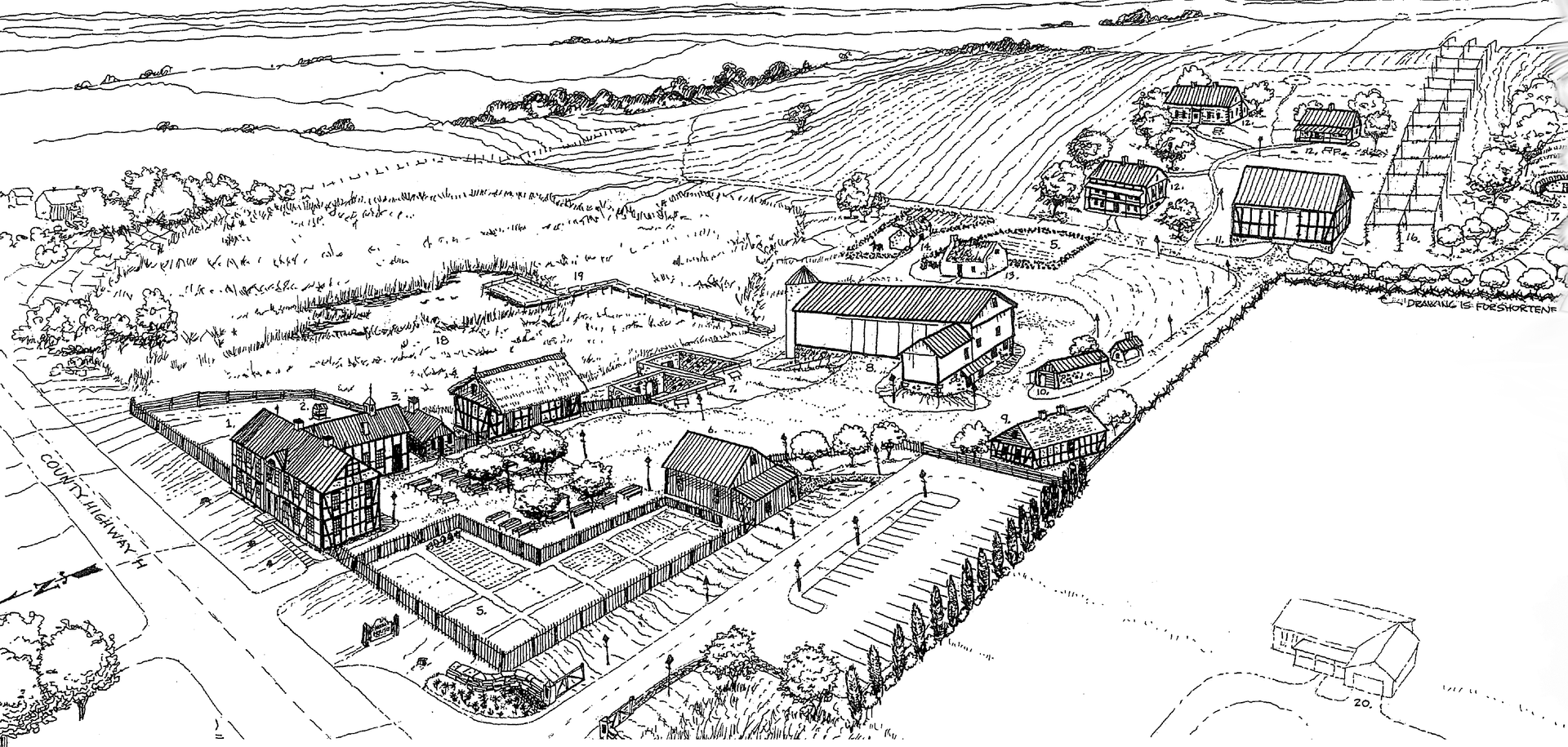
Over the past six years, we, the reconstituted Board of Friends of Saxonia House, have spent much time and discussion regarding the highest and best use of our property at Fillmore, Wisconsin. Ideas ranged from a traditional folk school, to an ethnic bed and breakfast, from a restored brewery, a multi-use nature and cultural park, to the headquarters for rural ethnic architecture conservation, scenic easements, and other ideas.
Project Goal: To create a self-supporting educational and entertaining Heritage tourism destination using the 1855 Saxonia House professionally restored and furnished, and its reconstructed Beer Hall adapted to modem multi-use events and functions.
Restoration Date: A "Point-in-Time" restoration and interpretation period of 1862 has been offered for the following reasons:
1. The height of the development and success of the original property is the 1860-70 period. Two years after 1862 in 1864 Ernst Klessig has already passed at the age of 40 leaving a young wife and three children. In the suggested time period of 1862, the house is filled with extended family members and overnight guests, and things to sell.
2. The impact of the Civil War 1861-65 on Wisconsin German immigrants is documented and can be easily interpreted to a large and growing audience of Civil War buffs.
3. 1862 was also the year of the "Great Indian Scare" in eastern Wisconsin. This historic event can become an interesting addition to Wisconsin's connection to Native Americans and how pioneers lived among them.
4. Beer production, Turner organization, temporary church quarters were ongoing in 1862. Tavern and community events were being held here. The Saxonia House sold general merchandise and operated a post office. The site was awash with interesting activities.
5. Research Into period furnishings, farming, gardening, landscaping and social customs have already been done at other sites for this period and can be readily accessed. Having a nearly new building restored to 1862 will be more accurate to achieve than later periods. The structure is only seven years old in 1862 and would still have the fresh look of a newer building.
Original House: This Restoration Plan uses the philosophy that anything visible to the public will be a pure 1862 professional restoration and anything not visible can use modern structural 1 components such as steel support beams, concrete block masonry, treated lumber and steel fasteners. Every visible surface including the wood roof shingles, brick chimneys, exterior stucco, trim, windows, doors and reconstructed porches will be totally authentic. The interior plastered walls and ceilings, painted doors, flooring, hardware and trim will be either restored using original building fabric or new materials that are perfectly matched to original, textures and colors. No exceptions are allowed except for special exhibition rooms, exit lighting and HVAC systems. One or more of the interior rooms may be used as an unrestored or in process of restoration exhibition. Care will be given to use as much original building fabric as possible.
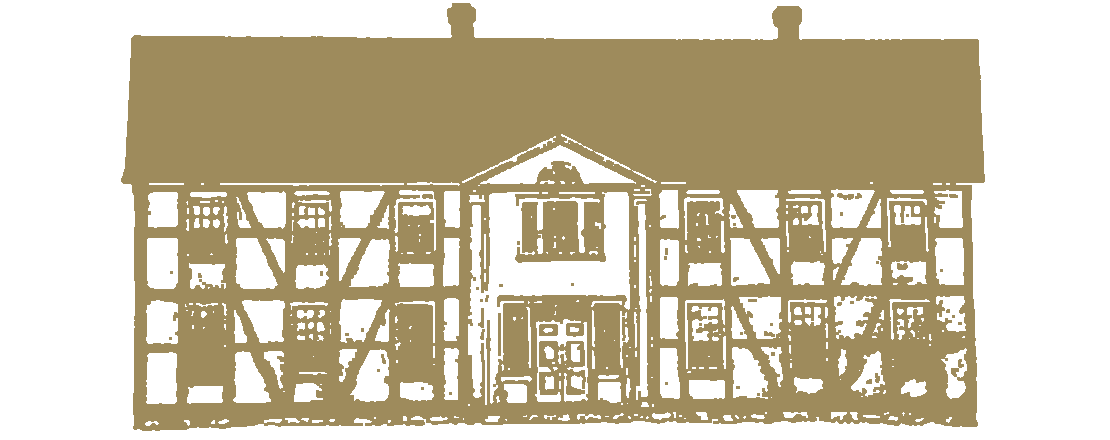
The Beer Hall: The reconstruction of the missing original Beer Hall will begin with an archaeological dig to determine the exact size of the structure and any remaining artifacts as well as determining the ground water conditions. Original foundation stone will be found, saved and reused in the new foundation. The Beer Hall was nearly a free-standing timber-frame and red brick addition to the original house that included an overlapping roof structure. Part of the South wall of the main house still shows the evidence of the plastered north interior wall of the hall and can indicate the exact ceiling height in the hall. Old photographs illustrate what this building looked like on the exterior but the interior will have to be duplicated from an existing timber-frame dance hall such as the 1857 Franklin Haus in the village of Franklin, Sheboygan county. This particular structure still has evidence of its interior wall mounted wooden benches, flooring, and trim and plaster work. The Saxonia House Beer Hall was heated by a wood fired stove connected to a brick chimney which may be recreated. A roof mounted decorative cupola helped exit the summer heat during use as a dance hall, tavern, church and gymnasium for the local Turners athletic club. As contrasted with the main house, the Beer Hall/tavern had its timber-framing exposed to the elements. Stucco covered soft reddish orange bricks infilled the spaces between the timbers.
The second-floor attic area may have been used by the Turners as a club meeting room but presently the original function of this area has remained a mystery. It could simply be a new storage area for the ongoing and future site programs using a drop-down attic stair assembly. The roof and flooring should be insulated and of modern construction. HVAC systems could be
located in this attic area.
Two public rest rooms would be needed in this hall as well as code compliant food and beverage serving areas. A full basement could be the site of a commercial kitchen, food and beverage storage and a dumb waiter system to bring the food to the first floor. Modem and period lighting and audio systems will be used in the hall along with the plastered and insulated
walls, wooden dance floor and replicated windows, doors and trim. The taverns small front bar and back bar and furniture will be replications from other similar periods and buildings. like the original hall this will be a multi-use structure that operates in conjunction with an exterior "Beir Garden," specialty classes, daily site tours, and special events. This reconstructed new
Beer Hall will become the central area of this sites public use. (Where the real action is!)
Conclusion: If this proposal is approved, planning grants could be prepared for donors to sponsor working architectural drawings. Funding will also be needed for the development of professional restoration, paint and furnishing plans. Once completed this building will fulfil all the dreams of past and present Friends of the Saxonia House. ACP 3/5/2021